How Social Media Is Changing the Fashion Industry
Introduction
The fashion industry has undergone a massive transformation over the last decade — and much of it can be credited to social media. Platforms like Instagram, TikTok, and Pinterest have reshaped how trends emerge, how brands communicate, and how consumers interact with fashion. Today, fashion is not just about glossy magazines or runway shows — it’s about likes, shares, influencers, and real-time engagement.
1. The Rise of Influencer Culture
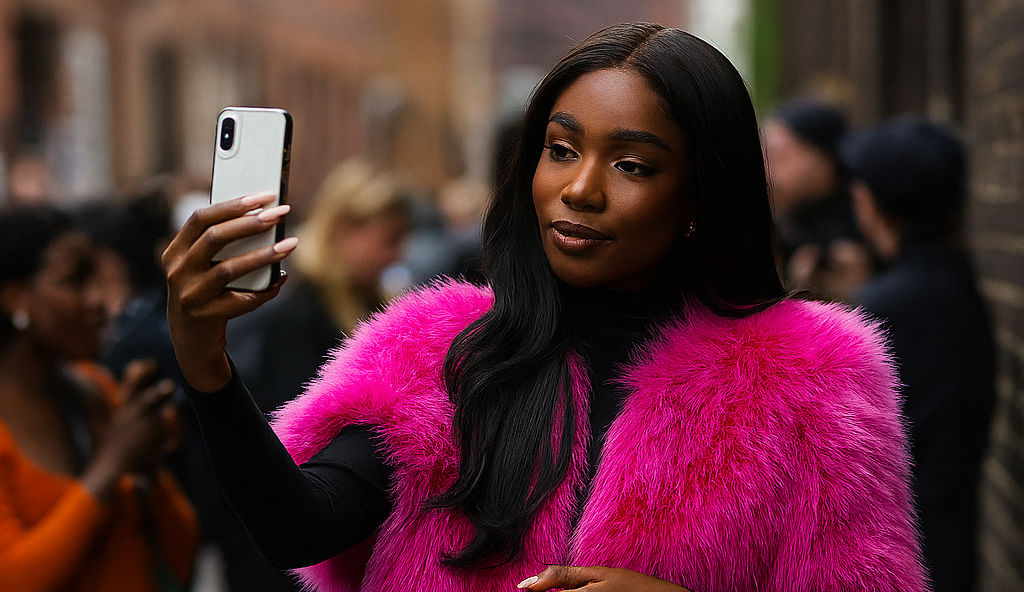
One of the biggest shifts social media brought to fashion is the rise of influencers. Gone are the days when only supermodels and celebrities dictated trends. Now, anyone with a smartphone and a strong personal brand can influence fashion choices globally.
Micro and macro influencers showcase outfits, promote new collections, and collaborate directly with designers. This democratization has allowed brands to reach niche audiences that traditional advertising couldn’t. Influencers also offer a more relatable and authentic way to present fashion — consumers trust their style more than polished ad campaigns.
2. Real-Time Fashion Trends
Social media has accelerated how quickly fashion trends appear and spread. In the past, trends would take months to move from the runway to the public. Now, a single viral TikTok video or Instagram post can spark a worldwide fashion craze overnight.
For example, trends like “clean girl aesthetic,” “streetwear culture,” or “Y2K revival” gained massive traction because of viral videos and influencer content. This fast-paced trend cycle has made the industry more dynamic, but also more competitive — forcing brands to innovate and adapt constantly.
3. Consumer Empowerment and Engagement
Social media gives consumers a voice and power they never had before. Shoppers can share feedback, post reviews, or tag brands in their photos, influencing others’ buying decisions.
Fashion brands now use Instagram polls, Twitter threads, and TikTok comments to interact directly with their customers. This creates a sense of community and authenticity — two key ingredients for modern brand loyalty.
Moreover, platforms like Pinterest and Instagram have become digital lookbooks, where users find inspiration for outfits and discover new brands organically.
4. The Rise of Social Commerce
Another major change is how social media has blurred the line between content and commerce. Platforms like Instagram and TikTok now feature integrated shopping tools, allowing users to buy products directly from posts or videos.
This “see it, want it, buy it” model shortens the customer journey dramatically. Consumers can go from inspiration to purchase in seconds. Brands, in turn, can track engagement, analyze behavior, and fine-tune their strategies to maximize conversions.
Social media has essentially turned into a 24/7 fashion marketplace.
5. Diversity and Representation
Social media has pushed the fashion industry to become more inclusive and diverse. Consumers now expect to see representation across body types, skin tones, genders, and cultures.
Campaigns featuring real people, not just models, have become more popular because audiences value authenticity. Movements like #BodyPositivity and #SustainableFashion started online and have forced brands to rethink how they market and produce clothing.
6. Sustainability and Accountability
With increased visibility comes greater accountability. Social media users are more aware of fast fashion’s environmental impact and often call out unethical practices.
Brands are now expected to be transparent — sharing behind-the-scenes content, sustainable production methods, and fair labor initiatives. This transparency not only builds trust but also positions a brand as socially responsible.
7. The Future of Fashion in the Digital Age
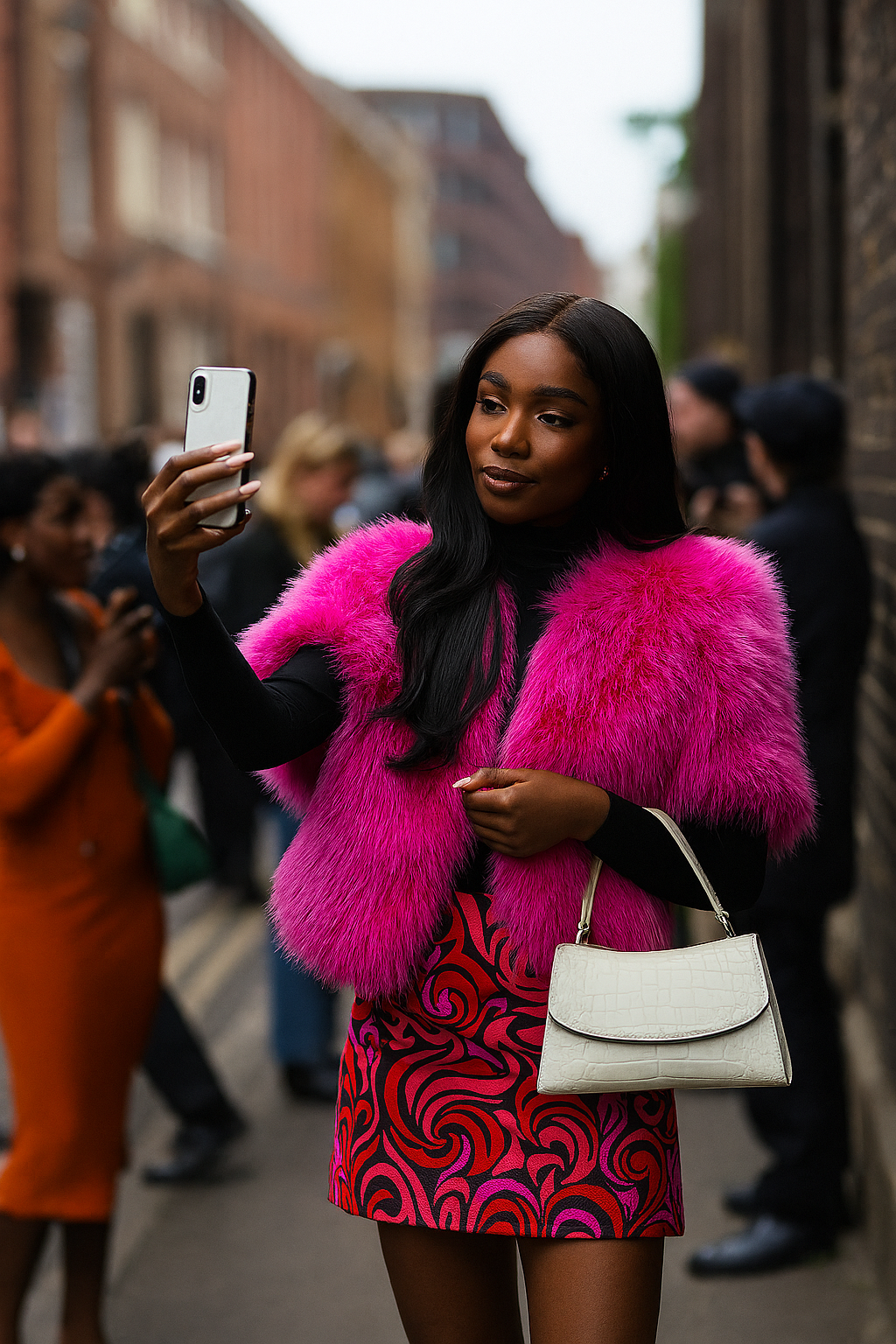
The next evolution of fashion and social media is already here — with virtual try-ons, AI stylists, and digital fashion shows. Brands like Balenciaga and Gucci are experimenting with the metaverse, where users can buy digital outfits for their avatars.
Social media will continue to merge technology, creativity, and accessibility — making fashion more interactive, inclusive, and immediate than ever before.
Conclusion
Social media has completely redefined the fashion landscape. It has broken down barriers between designers and consumers, given rise to new influencers, and created a space where creativity knows no limits.
Today, fashion is not just worn — it’s shared, tagged, and streamed. As technology continues to evolve, one thing remains clear: social media isn’t just changing the fashion industry — it is the fashion industry.